
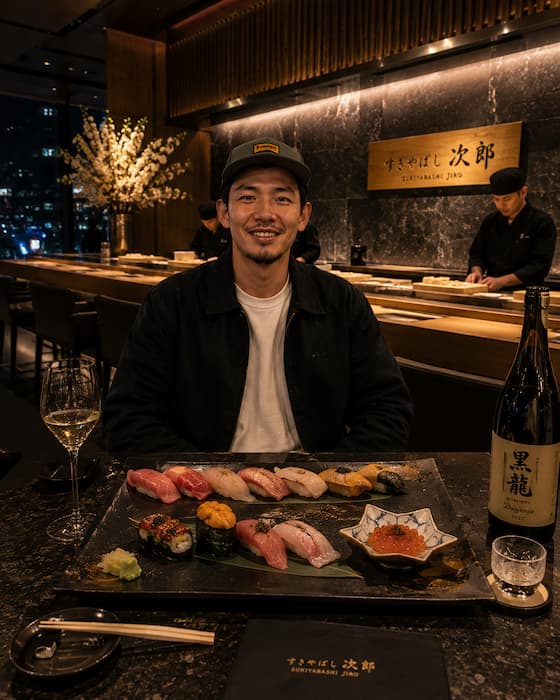
Sushi taste different at high-end restaurants because of a precise combination of superior ingredient sourcing, expert knife skills, rice preparation techniques, and strict quality control standards. Unlike casual establishments, premium sushi chefs prioritize seasonality, fish origin, temperature balance, and craftsmanship—factors that significantly influence flavor, texture, and overall dining experience.
Keypoints:
- Higher-grade, often imported fish with optimal fat content
- Precise rice seasoning and temperature control
- Advanced knife techniques that affect texture and mouthfeel
- Freshness and strict sourcing standards
- Skilled chefs with years of specialized training
The Role of Ingredient Quality in Sushi Taste
At the core of why sushi tastes different in upscale restaurants is ingredient quality. High-end sushi establishments source fish from premium markets, often importing directly from regions known for specific varieties (e.g., tuna from Japan). These fish are selected based on fat distribution, freshness, and seasonality.
Lower-tier sushi often uses frozen or lower-grade fish, which impacts both taste and texture. In contrast, premium sushi-grade fish undergoes careful handling, including controlled aging processes that enhance umami.
Rice, often overlooked, is equally critical. Top-tier restaurants use short-grain rice seasoned with a carefully balanced blend of vinegar, sugar, and salt. The rice is served at body temperature to complement the fish—something rarely executed correctly in lower-end establishments.
Why is Fish Aging More Important than Absolute Freshness?
The “fresher is better” myth is the primary differentiator between mid-tier and high-end sushi. Many premium fish varieties, especially Maguro (tuna), are flavorless when served immediately after the catch due to rigor mortis. High-end chefs employ Jukusei (aging) to allow enzymes to break down tough collagen into amino acids. A piece of tuna aged for 10 to 14 days develops a concentrated, beef-like depth and a tender texture that fresh fish simply cannot match.
Why Does Sushi Rice Matter So Much in High-End Restaurants?
Sushi rice (shari) is not just a base—it is half of the sushi experience. High-end chefs spend years perfecting rice preparation because it directly affects flavor harmony.
The rice must:
- Have the correct stickiness without being mushy
- Maintain individual grain integrity
- Be seasoned consistently
- Be served at an optimal temperature
If the rice is too cold, it dulls the flavor of the fish. Too warm, and it alters the texture. High-end restaurants monitor this continuously, often preparing rice in small batches throughout service.
How Do Chef Techniques Influence Sushi Taste?
Technique is a major differentiator. Skilled sushi chefs train for years to master knife work, fish slicing angles, and portioning. These elements directly influence how sushi feels and tastes.
For example:
- Cutting against the grain improves tenderness
- Different fish require different slicing techniques
- Knife sharpness prevents cellular damage, preserving flavor
Additionally, chefs adjust wasabi levels, soy application, and even pressure when forming sushi. These micro-adjustments create a balanced bite, something rarely achieved in mass-produced sushi.
The Importance of Freshness, Seasonality, and Sourcing Standards
High-end sushi restaurants operate under strict sourcing protocols. Fish is often selected based on seasonal peak quality rather than availability alone. This ensures optimal taste and texture.
Key principles include:
- Serving fish at peak season for maximum flavor
- Using traceable suppliers with strict handling standards
- Minimizing time from catch to plate
Many premium establishments also practice fish aging (controlled curing), which enhances umami and softens texture—counterintuitive but highly effective when done correctly.

Food Safety Standards and Regulations in Sushi Preparation
Sushi, particularly raw fish, is subject to strict food safety rules. High-end restaurants adhere closely to these regulations, which also contributes to better taste and quality.
Important standards include:
- Proper freezing requirements to eliminate parasites
- Controlled storage temperatures for freshness
- Sanitary preparation environments
- Certified suppliers and traceability
Compliance with these rules ensures not only safety but also consistency in flavor and texture.
Sushi Etiquette Rules That Affect the Experience
Dining at a high-end sushi restaurant involves certain etiquette that can subtly influence taste perception and experience.
Common rules include:
- Eating sushi in one bite for a balanced flavor
- Using minimal soy sauce to avoid overpowering the fish
- Trusting the chef’s sequence (omakase style)
- Eating immediately after serving to maintain temperature integrity
These practices ensure that each piece is consumed as intended by the chef.
High-End Sushi Comparison Table
| Feature | Grocery/Casual Sushi | High-End Omakase |
| Rice Vinegar | Distilled White (Sharp) | Aged Akazu (Deep/Umami) |
| Rice Temp | Cold/Chilled | Body Temperature (~37°C) |
| Wasabi | Horseradish + Green Dye | Freshly Grated Wasabi Root |
| Fish Prep | Fresh/Frozen | Aged (Jukusei) & Cured |
| Soy Sauce | Standard Dipping | House-made Nikiri Brush |
Why Pricing Reflects Taste Differences?
The cost of high-end sushi is directly tied to ingredient sourcing, chef expertise, and operational standards. Premium fish, skilled labor, and waste minimization all contribute to higher prices.
Unlike budget sushi, where cost efficiency often compromises quality, upscale restaurants invest heavily in delivering a refined product. The result is a noticeable difference in taste, texture, and overall satisfaction.
Final Thought!
Sushi tastes different at high-end restaurants due to a convergence of factors: superior ingredients, meticulous preparation, expert techniques, and strict adherence to quality standards. Every detail—from rice temperature to fish slicing—plays a role in creating a balanced and elevated dining experience. Understanding these elements clarifies why premium sushi delivers a distinct and often superior taste.
Are You Hungry? Visit Sushi Incorporated Today!
Sushi Inc. is a vibrant restaurant that offers what is considered the best sushi in St Pete. Opening its doors in 2013 and becoming a local staple by offering live music, traditional hand-rolled sushi, and a friendly atmosphere, our guests always have a top-notch experience. Customers love our award-winning, fresh, and creative Sushi rolls, Nigiri, and Sashimi. With a larger selection of tempura, non-sushi, Japanese, and teriyaki options, we can accommodate every taste in downtown St Petersburg, FL. Contact us today to set your reservation or if you have any questions. When setting any reservations, please inform us of any allergies you might have and ask for alternative options. Check out our menu and daily specials, you won’t be disappointed with our #1 voted and reviewed sushi in the Bay Area.

FAQs
Q. Why does sushi taste better at expensive restaurants?
A. They use higher-quality fish, better rice preparation techniques, and skilled chefs who optimize every detail of the sushi-making process.
Q. Is sushi-grade fish really different?
A. Yes. Sushi-grade fish meets stricter standards for freshness, handling, and safety, which directly impacts taste and texture.
Q. Does rice really affect sushi flavor that much?
A. Absolutely. Sushi rice contributes significantly to taste balance, texture, and temperature harmony.
Q. Why is sushi served at room temperature?
A. Serving sushi at body or room temperature enhances the flavor of the fish and maintains the proper texture of the rice.
Q. Are high-end sushi restaurants safer?
A. Generally, yes. They follow stricter food safety protocols, including proper freezing and sourcing standards.


