

Sushi is a popular food loved for its fresh ingredients, delicate flavors, and artistic presentation. Many people enjoy it as a treat, while others include it as a regular part of their diet. But the question arises: Is sushi a balanced meal?
Understanding the nutritional components of sushi, the types of rolls available, and how personal health affects your choices is essential to making sushi a satisfying and wholesome meal. Eating sushi without this knowledge may result in a meal high in calories, sodium, or unhealthy fats.
Key Points to Know:
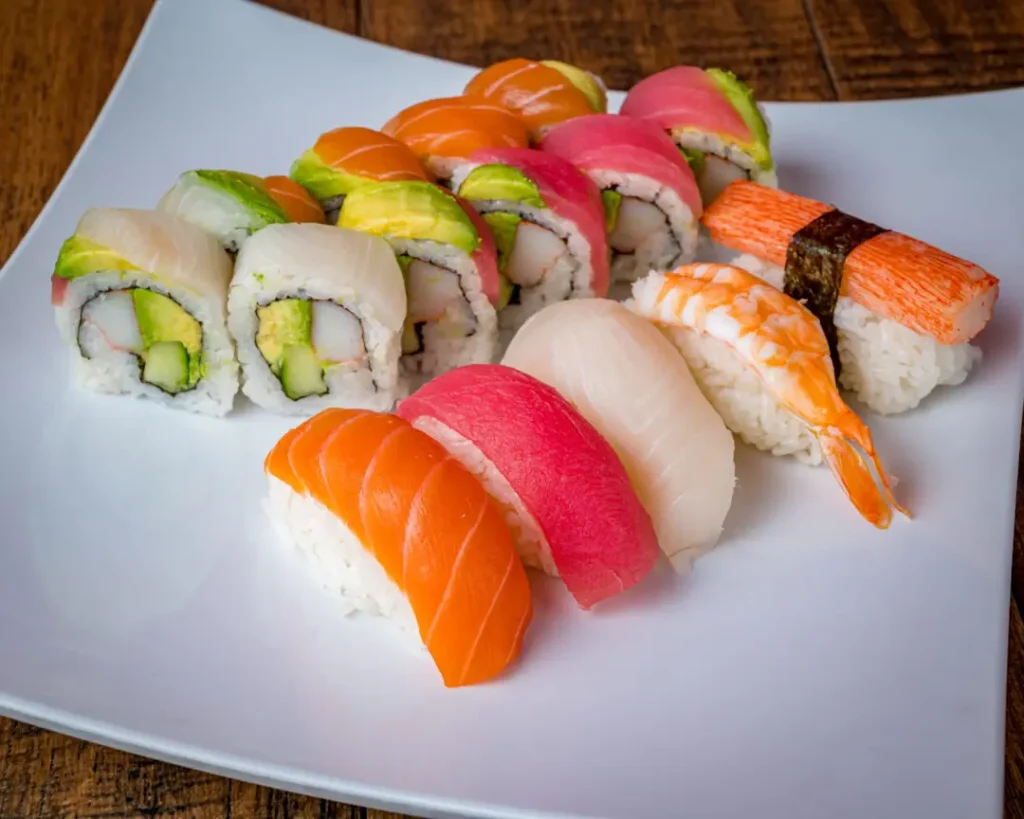
- Sushi combines rice, fish or seafood, vegetables, and seaweed, providing protein, carbohydrates, healthy fats, fiber, vitamins, and minerals.
- Some sushi rolls include fried ingredients, heavy sauces, or extra mayonnaise, which can reduce nutritional balance.
- A balanced sushi meal should include lean protein, complex carbohydrates, healthy fats, and vegetables.
- Sodium content, portion size, and mercury in certain fish are important health considerations.
- Personal health status, including pregnancy, immune system function, and digestive sensitivity, affects which sushi options are safe.
Protein: The Building Block of a Balanced Meal
Fish and seafood are the primary protein sources in sushi, offering lean protein essential for muscle repair, immune support, and hormone production—one reason sushi a balanced meal can be a smart dietary choice. Salmon, tuna, shrimp, and crab are not only rich in protein but also provide omega-3 fatty acids, which support heart and brain health. Even for vegetarians, sushi can offer protein through ingredients like tofu, edamame, or the Japanese omelet tamago. Protein also contributes to satiety, helping you feel full longer and reducing the temptation to overeat.
Carbohydrates: Energy from Rice
Sushi rice provides the carbohydrates that fuel your body. Properly prepared sushi rice is slightly sticky, seasoned with rice vinegar, sugar, and salt. While carbs are essential, consuming multiple rolls can increase sugar intake, which may affect energy balance. To keep your meal balanced, consider limiting rice-heavy rolls or alternating them with vegetable or protein-focused options. Whole-grain or brown rice sushi is less common but offers more fiber for sustained energy.
Healthy Fats in Sushi: Is Sushi a Balanced Meal?
Certain sushi options provide beneficial fats. Fatty fish like salmon or mackerel contain omega-3 fatty acids, which are known for reducing inflammation and supporting heart and brain health. Avocado adds monounsaturated fats, which may improve cholesterol levels. However, sushi rolls with fried ingredients or heavy mayonnaise-based sauces increase saturated fats and calories, which can tip the meal toward being less balanced.
Fiber and Micronutrients
Vegetables and seaweed play an essential role in making sushi nutritionally complete, helping reinforce why sushi a balanced meal, can be a smart dietary choice. Seaweed, or nori, contains iodine, iron, and vitamin A, supporting thyroid function and overall metabolism. Vegetables such as cucumbers, carrots, and avocado add vitamin C, potassium, and antioxidants, improving the nutrient density of your meal. Including vegetable-focused rolls or adding a side salad helps increase fiber intake and balances macronutrients.
Sodium Considerations
Condiments like soy sauce, pickled ginger, and teriyaki or spicy sauces can significantly increase sodium content. Excess sodium may elevate blood pressure and affect heart health over time. Using low-sodium soy sauce, moderating condiments, or avoiding high-sodium fried rolls can make your sushi meal healthier without compromising taste.
Portion Control and Meal Balance
Sushi, a balanced meal, is not just about ingredients—it’s also about portion. A good approach is to include:
- Lean protein (fish, seafood, tofu, or egg).
- Carbohydrates in moderation (rice).
- Healthy fats (from fish or avocado).
- Vegetables and seaweed for fiber, vitamins, and minerals.
Adding miso soup, a small salad, or edamame as sides can improve overall nutritional balance and make the meal more filling. Avoid relying solely on fried rolls, creamy sauces, or oversized portions of rice to maintain a balanced approach.

Health Status Considerations
Your health status directly affects which sushi choices are safe and balanced:
- Pregnancy: Avoid raw fish and high-mercury seafood to protect both mother and baby. Cooked and vegetarian rolls are safer alternatives.
- Immune system strength: Individuals with weakened immune systems, such as those undergoing chemotherapy or with chronic illnesses, should avoid raw seafood to prevent foodborne illness.
- Digestive health: Vinegar in sushi rice, pickled ginger, and soy sauce can irritate sensitive stomachs. Choosing cooked or vegetable-based rolls may help.
- Chronic conditions: People with high blood pressure, liver disease, or heart concerns should moderate sodium-rich ingredients and avoid fried rolls.
By considering these factors, sushi can be adapted to be both safe and nutritionally balanced.
Final Thoughts
Sushi can indeed be sushi a balanced meal when selected wisely. Combining lean proteins, moderate carbohydrates, healthy fats, and vegetables creates a nutrient-rich meal that supports overall health. Paying attention to portion sizes, condiments, and types of fish ensures your sushi experience is satisfying, safe, and nutritious. With the right choices, sushi is more than just a treat—it can be part of a well-rounded, healthy diet.
Ready to enjoy fresh, high-quality sushi made with care? Visit us at Sushi Inc. in Downtown St. Petersburg today and discover delicious options that are both satisfying and thoughtfully prepared for a healthier dining experience.
Are You Hungry? Visit Sushi Incorporated Today!
Sushi Inc. is a vibrant restaurant that offers what is considered the best sushi in St Pete. Opening its doors in 2013 and becoming a local staple by offering live music, traditional hand-rolled sushi, and a friendly atmosphere, our guests always have a top-notch experience. Customers love our award-winning, fresh, and creative Sushi rolls, Nigiri, and Sashimi. With a larger selection of tempura, non-sushi, Japanese, and teriyaki options, we can accommodate every taste in downtown St Petersburg, FL. Contact us today to set your reservation or if you have any questions. When setting any reservations, please inform us of any allergies you might have and ask for alternative options. Check out our menu and daily specials, you won’t be disappointed with our #1 voted and reviewed sushi in the Bay Area.
Frequently Asked Questions (FAQs) About Sushi
1. Can Sushi Be Considered a Healthy Meal?
Yes, when it includes lean protein, vegetables, healthy fats, and moderate rice portions.
2. Are All Sushi Rolls Balanced?
No. Fried rolls, creamy sauces, and oversized rice portions can make sushi less balanced.
3. How Can I Make Sushi Healthier?
Choose fresh fish, vegetable rolls, avocado, and moderate rice. Limit soy sauce, fried rolls, and creamy sauces.
4. Is Raw Fish Necessary for a Balanced Sushi Meal?
Not at all. Cooked fish, shrimp, or vegetarian options provide a balanced meal without raw ingredients.
5. How Does Health Status Affect Sushi Choices?
Pregnancy, immune system strength, digestive issues, and chronic conditions influence which sushi options are safe and balanced.


