
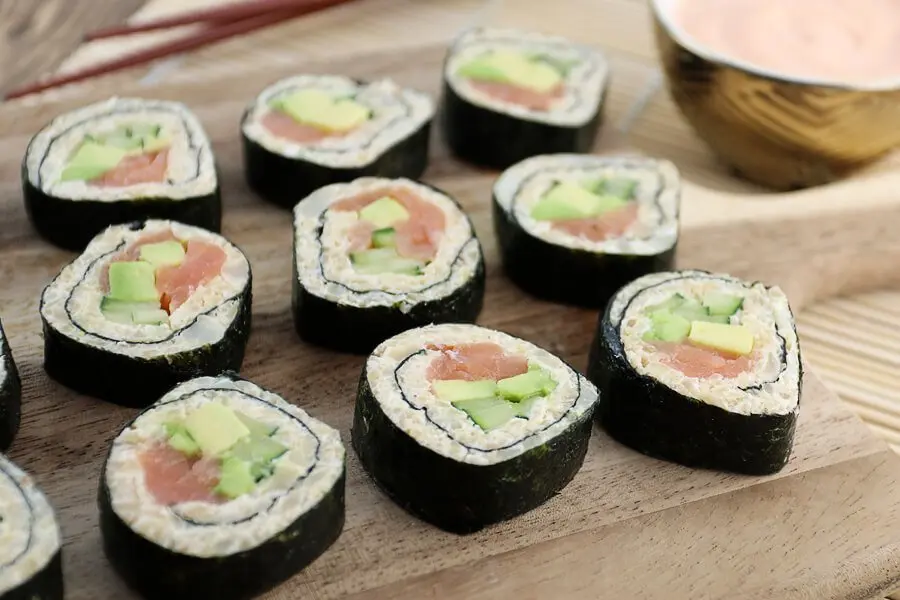
For sushi lovers, this becomes a challenge to go for the healthier versions of their favorite sushi rolls sold in that restaurant, with high protein content. Here’s one such recipe, high-protein sushi; it is far lighter and healthier, and should be made into something so easy at home!
The high-protein sushi is prepared, as well as short-grain brown rice, rice vinegar, nori sheets, vegetables, and lean-fats sources of protein. Sugar is thought by people to be the main ingredient to make that sushi rice, but they’re wrong! One can produce free from sugar rice sushi by simply having proper brown rice and vinegar.
These are very different flavors compared to the ordinary sushi one could taste, reduced rice and loading on more veggies and lean protein sources. It is all up to you to decide what goes inside and how much when you’re making sushi at home. This is definitely a fun activity with friends and family.
Applying all this trivia about high-protein sushi, are you all eager to go and make one? Well, let’s get to the best ingredients and add a few more tips to rock that journey!
Best Ingredients for High-Protein Sushi
The right ingredients are important in healthy sushi preparation. Here are the favorite ingredients and tips with which you can boost.
1. Go Sugar-Free on Your Sushi Rice
Most sushi recipes use sugar rice within sushi rice, and that is that-direct from thinking! Just rice, rice vinegar, and salt in the recipe. When it sticks together, it can be manipulated into shapes for sushi cylinders. Short-grain brown rice adds even more fiber, so that less rice fills you up.
Nori sheets should be of high quality and rich in iodine for easy handling.
2. Load Up on the Veggies
Fill with vibrant colors-an array of cucumber, beet, asparagus, sweet potato, carrot, avocado, and mango and you are good to go.
3. Choose A Source for Lean Protein
This is where high-protein sushi takes off! Use low-fat and lean options of protein, such as tempeh, tofu, canned salmon or tuna, steamed shrimp or crab, or fish sushi-grade. Throw in a little bit of light cream cheese and finely slivered egg frittata, too, if you fancy it.
A Plant-Based Protein
With plant-based protein, you could gain a completely different health benefit and an environmental benefit. The strips of proteins are basically plant-based protein options, such as tempeh, tofu, and seitan, and contain other important nutrients such as fiber, vitamins, and minerals, which are usually much lower in animal sources.
Bringing variety to their diet and new, fun sets of flavors and textures into their meals through options such as edamame, chickpea “tuna,” and mushrooms. More sustainable, in terms of carbon footprint, than fishing or meat alternatives. Much safer from seafood toxicity due to high mercury levels or illegal fishing: Better, healthier for people following these diets for health reasons.
An Animal-Based Protein
Take the utmost care with sushi-grade fish concerning safety and taste. Seek a reputable source fishmonger or seafood market, that sells fresh products. Ask the seller whether this fish could be termed as “sushi-grade” or “sashimi-grade,” meaning that these products are frozen to kill parasites and make them safe for consumption raw. The fish should have clear, bright eyes, shiny skin, and an ocean smell, not of the fishy type! Always trust dealers, but if uncertain, ask the dealer for the origin and how the fish was raised. The very important thing is to make sure that the fish is either stored frozen or on ice and consumed right after buying it, to make sure it’s safe and fresh.
If you can’t splurge on fancy varieties, cheaper fish can nevertheless work wonders for some amazing sushi:
- Frozen fish: Grocery stores sell frozen fish for sushi. Low-temperature freezing kills parasites. Get good info about the frozen fish and thaw it carefully in the fridge.
- Canned fish: Good quality tuna in a can can make a great alternative to more expensive sushi fillings.
- Cooked fish: Sushi rolls can be made with any fully cooked fish, from grilled salmon to seared tuna.
- Smoked fish: Smoked salmon is more widely known and is usually cheaper than its fresh sushi-grade counterpart. Curing means that it has already been preserved and is good to eat.
- Farmed fish: These are typically cheaper varieties like Atlantic salmon when pitted against wild-caught options. The fish should be checked for freshness and good storage conditions.
Additional tips when using non-sushi-grade fish
- Freeze all fish: Fresh fish are to be frozen for seven days or more at -4 °F (-20 °C) to kill parasites, as a precaution taken by many sushi chefs.
- Cook the fish: If you’re unsure about the raw fish being safe, just cook it. Grilled, oven-baked, or lightly seared fish also makes excellent sushi.
- Marinate the fish: Fish can be marinated in acidic agents like vinegar or lemon juice that would eliminate bacteria to some extent, but flavor it at the same time.
- Fresh fish: As fresh as you can find, from a reputable source. Clear eyes, firm flesh, and fresh ocean smell.
- Good hygiene: Wash your hands with soap and water before handling fish, using different utensils to prep fish, and sanitizing everything afterwards.
4. The Finest Garnishes
Add good garnishing to your sushi rolls: kimchi and pickled ginger were great. Apart from these fermented foods, that is, healthy prebiotics and probiotics for the promotion of gut health, low-sodium soy sauce or wasabi powder could serve well if you are inclined.
Best Accessories for High-Protein Sushi
These are the best accessories for making high-protein sushi proudly at home!
1. Sushi Rolling Mats
These bamboo mats are my favorites; they’re just too nice to work with! I like giving each guest their own mat so they can roll their own sushi, or inviting them to a sushi party, or even just for fun with the kids!
2. Reusable Bamboo Chopsticks
Have you seen any prettier chopsticks? I doubt it! Even more so, they are made of natural material, much more hygienic, and easy to use as well due to their non-slippery finish. In one word, these are just perfect for the beginner in the chopsticks game!
3. Tojiro Professional Chef’s Knife from Japan
A sharp knife is definitely a must for good sushi-making. I have been using this knife for almost all requirements of chopping purposes for the last several years!
4. Ceramic Sauce Dishes with Side Plates
These are such cute cat sauce dishes for all side sauces and dressings. It is always just easily within reach of her preferred ones! And they are microwave safe, being ceramic.
Final Thought
It really becomes super easy to enjoy a healthy high-protein sushi right at home. Roll it up using sugar-free brown rice, fresh veggies, and lean protein, whether vegan or sushi-grade fish. These create rolls that are lower in carbs and higher in protein than traditional sushi. With a little planning, some specific ingredients, and basic tools like bamboo mats and chef’s knives, sushi-making can turn into a fun and personalized event for family and friends.
Are you ready to roll your high-protein sushi? For all the best ingredients, fab tips, and anything and everything in between to get sushi as healthy as it is tasty.
Are You Hungry? Visit or Order Sushi Incorporated Today!
Sushi Inc. is a vibrant restaurant that offers what is considered the best sushi in St Pete. Opening its doors in 2013 and becoming a local staple by offering live music, traditional hand-rolled sushi, and a friendly atmosphere, our guests always have a top-notch experience. Customers love our award-winning, fresh, and creative Sushi rolls, Nigiri, and Sashimi. With a larger selection of tempura, non-sushi, Japanese, and teriyaki options, we can accommodate every taste in downtown St Petersburg, FL. Contact us today to set your reservation or if you have any questions. When setting any reservations, please inform us of any allergies you might have and ask for alternative options. Check out our menu and daily specials, you won’t be disappointed with our #1 voted and reviewed sushi in the Bay Area.


